

Biofuel & Ethanol Processing Solutions
Efficient material preparation is a critical step in biofuel and ethanol production. Biomass feedstocks and grain-based materials must be processed to a consistent particle size before they can be converted into usable fuels.
CSE Bliss provides industrial size reduction solutions for biofuel and ethanol processing, helping producers efficiently prepare raw materials for fermentation, pellet production, and energy generation. Our hammer mills and supporting equipment are engineered for high-capacity operations that require reliable performance and consistent material processing.
Designed for demanding industrial environments, CSE Bliss equipment helps biofuel and ethanol producers maintain efficient throughput while ensuring consistent feedstock preparation.
Read More: Maximizing Biofuel and Ethanol Production with CSE Bliss Hammer Mills
The Role of Size Reduction in Biofuel Production
Before biomass or grain materials can be converted into ethanol or other biofuels, they must be properly processed to ensure consistent conversion and efficient system performance. Size reduction plays a key role in this process by:
• Increasing surface area for improved enzymatic conversion
• Ensuring consistent feedstock preparation for fermentation
• Improving material flow through processing systems
• Supporting efficient downstream processing
Without proper grinding, inconsistent feedstock can reduce conversion efficiency and create bottlenecks within the production process.
Industrial hammer mills provide the consistent grinding performance required for modern biofuel and ethanol facilities.
Read More: Industry Trends in Biofuel and the Role of Efficient Milling
CSE Bliss Solutions For Biofuel & Ethanol Processing
CSE Bliss provides equipment designed to meet the demands of modern processing operations. Our systems are engineered to deliver:
• High throughput capacity
• Consistent particle size reduction
• Rugged industrial durability
With decades of experience in size reduction technology, CSE Bliss equipment is trusted by biofuel processors for dependable performance in challenging applications.
Read More: Tips for Maintaining Equipment for Biofuel Applications
Contact our Experts

Key Takeaways
CSE Bliss Equipment for Biofuel Production
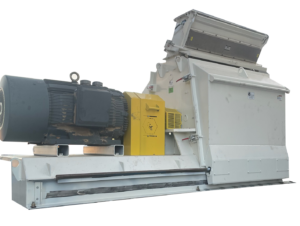
Full Circle Screen Hammer Mills
CSE Bliss Full Circle Screen Hammer Mills are ideal for grinding biomass materials and agricultural feedstocks used in biofuel production. Find out more
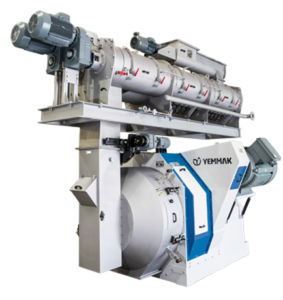
Pellet Mills
Pelleting increases material density and improves handling efficiency. CSE Bliss offers integrated solutions that combine size reduction, pelleting, and cooling systems to support efficient biomass processing operations.
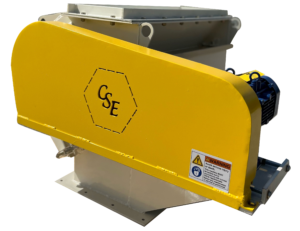
Feeders and Material Handling Equipment
Consistent material flow is essential for maintaining efficient grinding operations. CSE Bliss feeders help regulate the flow of raw materials into hammer mills, improving operational stability and maintaining consistent throughput across processing systems.
Watch our video to learn more about our solutions for biofuel production
View our literature to learn more
Click to download our PDFs
F.A.Q.
Frequently Asked Questions
Frequently Asked Questions About Biofuel & Ethanol Processing
What equipment is used in biofuel and ethanol processing?
Biofuel and ethanol processing systems typically include hammer mills for size reduction, along with material handling equipment, fermentation systems, and downstream processing equipment. Hammer mills are used to prepare feedstocks by reducing them to a consistent particle size before conversion.
Why is size reduction important in ethanol production?
Size reduction increases the surface area of feedstock materials, allowing enzymes to more effectively break down starches and fibers during fermentation. This improves conversion efficiency and helps maximize ethanol yield.
What materials are used in biofuel production?
Common biofuel feedstocks include corn and other grains, agricultural residues such as corn stover and straw, and biomass materials like wood waste and energy crops. These materials must be processed before they can be converted into fuel.
How do hammer mills support biofuel processing?
Hammer mills provide consistent and efficient grinding of feedstocks, ensuring uniform particle size for improved fermentation and downstream processing. This helps maintain stable production and reduces variability in the conversion process.
Reliable Solutions for Industrial Biofuel Producers
Biofuel and ethanol facilities require equipment capable of handling high volumes of material while maintaining consistent processing performance.
CSE Bliss equipment is engineered to deliver:
• Reliable high-capacity grinding
• Consistent particle size reduction
• Durable construction for demanding industrial applications
Efficient integration with downstream processing systems
These capabilities make CSE Bliss hammer mills an effective solution for biofuel and ethanol feedstock preparation.
Talk with Our Processing Experts
Selecting the right equipment is critical for efficient biofuel and ethanol production.
Contact the CSE Bliss team to discuss your materials, production requirements, and system design needs.