
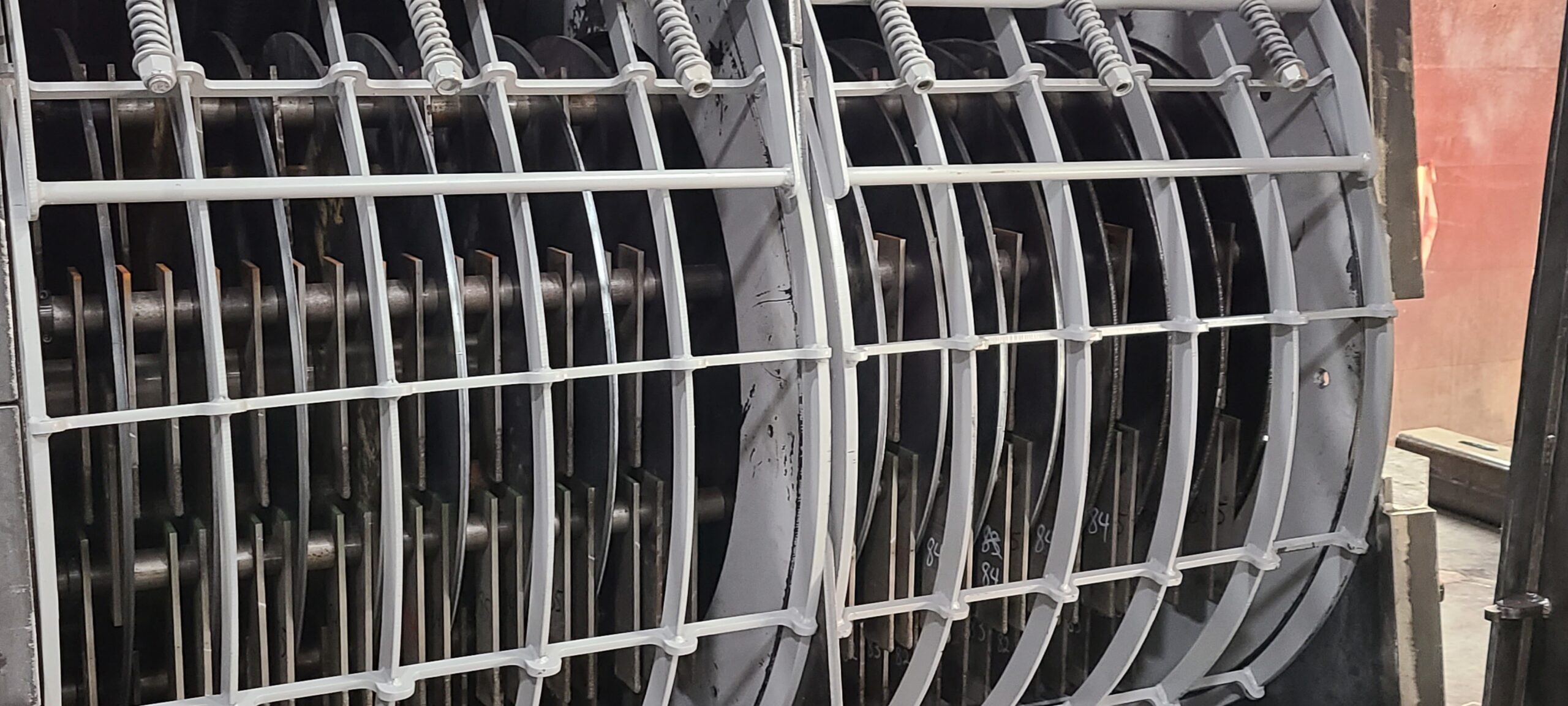
As the demand for renewable energy continues to grow, biofuel production has emerged as a key component of the global energy landscape. At the heart of this process is size reduction, and the equipment that powers it. From grinding agricultural residues to processing wood chips and biomass, hammer mills play a crucial role in preparing feedstock for biofuel conversion. To ensure consistent performance and maximize uptime, regular maintenance is essential. Here are some practical tips to keep your CSE Bliss equipment running efficiently in biofuel applications.
- Schedule Regular Inspections: Routine visual inspections can help detect early signs of wear or misalignment. Look for cracks, worn hammers, loose fasteners, and signs of vibration or unusual noise. By catching issues early, you can avoid unplanned downtime and costly repairs.
- Monitor Wear Parts Closely: Biofuel materials are often abrasive and can accelerate wear on internal components. Hammers, screens, bearings, and liners should be inspected and replaced as needed. CSE Bliss offers durable, high-quality replacement parts designed specifically for biofuel processing, ensuring peak performance and long service life.
- Keep It Clean: Dust buildup can lead to overheating, blockages, and fire hazards. Regularly clean inside and around the mill to prevent material accumulation, particularly in discharge areas, inlets, and around the motor. Clean equipment runs cooler, lasts longer, and performs more consistently.
- Lubricate Bearings and Moving Parts: Proper lubrication is critical to prevent wear and extend the life of bearings and other moving parts. Follow the manufacturer’s lubrication schedule and use the recommended grease or oil.
- Align and Balance Rotating Components: Imbalance in the rotor or misaligned shafts can cause vibration, reduce efficiency, and damage internal components. CSE Bliss equipment is precision-engineered for balance and stability, but regular checks are important, especially after replacing hammers or other critical parts.
- Train Operators and Maintenance Staff: Ensure everyone involved in running and maintaining your equipment understands best practices for operation and safety. Proper training can prevent misuse, extend the life of your equipment, and improve overall plant productivity.
- Keep a Stock of Critical Spare Parts: Minimize downtime by keeping essential wear parts on hand. Having a planned inventory of replacement hammers, screens, and bearings ensures that your operation isn’t interrupted by avoidable delays.
Partner with CSE Bliss for Ongoing Support
At CSE Bliss, we build hammer mills that are rugged, reliable, and designed specifically for demanding applications like biofuel processing. But even the best equipment performs better with regular care. Our team is here to support you with maintenance tips, replacement parts, and expert guidance to keep your operation running smoothly.
Need help with parts or service? Contact CSE Bliss today and let us help you get the most out of your equipment.