
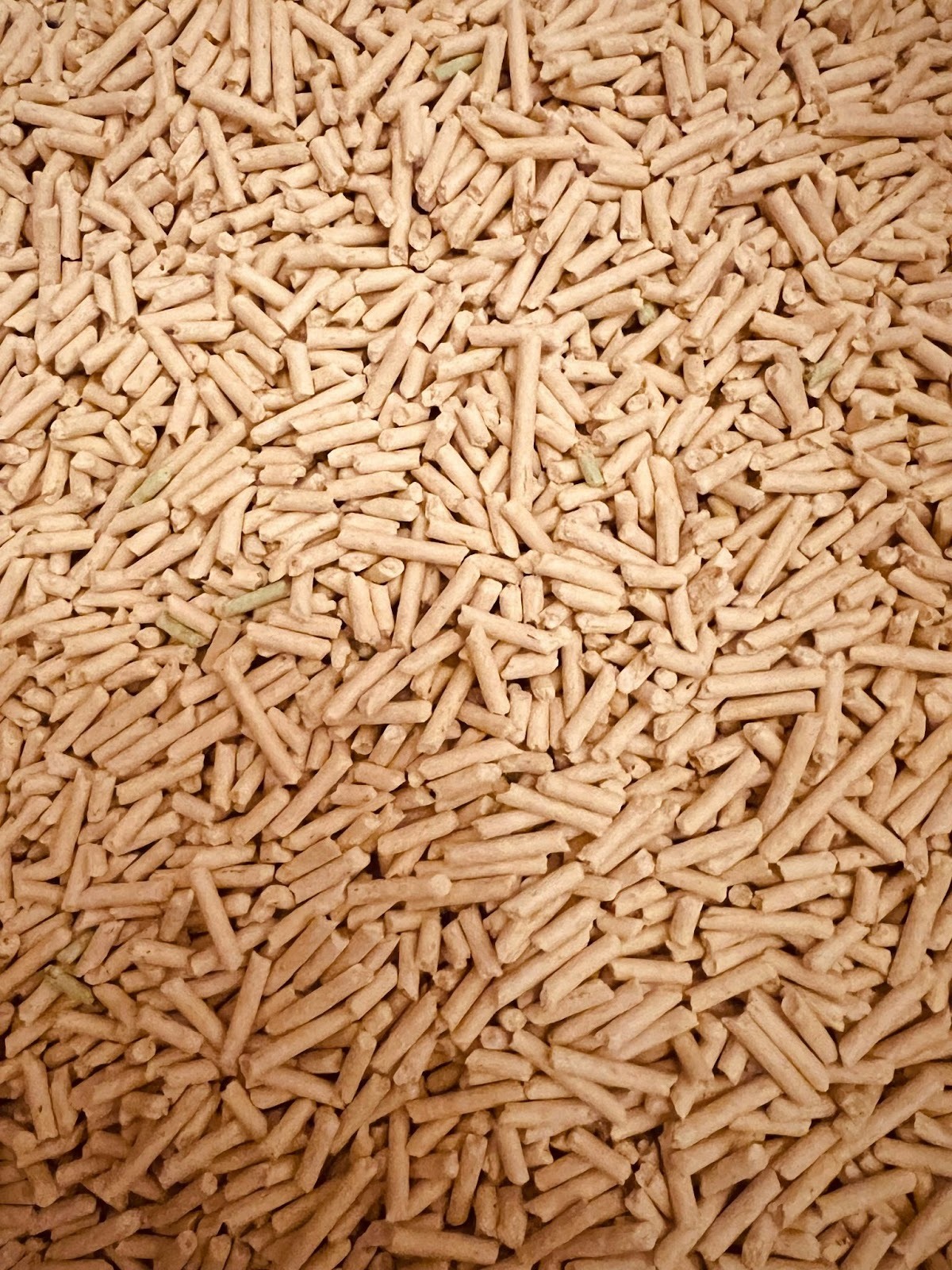
Biomass Processing Solutions
Hammer Mills & Pelleting Systems
Efficient biomass processing starts with reliable material preparation. From wood waste and agricultural residues to energy crops and biofuel feedstocks, processors rely on consistent size reduction and pellet production systems to maintain throughput and product quality.
CSE Bliss provides industrial biomass processing solutions designed for demanding production environments. Our hammer mills, pelleting systems, and auxiliary equipment help biomass processors convert raw materials into consistent feedstock for pellet production, bioenergy generation, and downstream processing.
Engineered for durability and high capacity, CSE Bliss equipment supports operations ranging from wood waste recycling to large-scale biomass fuel production.
Read more: Size Reduction and Pelleting Solutions from CSE Bliss
Why Size Reduction Matters in Biomass Processing
Size reduction is one of the most important steps in biomass processing. Inconsistent particle size can lead to poor pellet quality, inefficient combustion, and reduced system performance. Proper grinding improves:
Pellet Quality
Uniform particle size ensures pellets bind properly and maintain structural integrity during handling and transportation.
Energy Efficiency
Consistent feedstock improves combustion efficiency in biomass boilers and gasification systems.
System Throughput
Efficient grinding ensures downstream equipment such as pellet mills and conveyors operate at full capacity.
Material Handling
Properly sized material flows more easily through processing equipment, reducing blockages and downtime. For these reasons, high-capacity hammer mills are the foundation of most biomass processing systems.
Read More: Improving Efficiency: Why Particle Size Matters
CSE Bliss Biomass Processing Solutions
CSE Bliss provides equipment designed to meet the demands of modern biomass processing operations. Our systems are engineered to deliver:
• High throughput capacity
• Consistent particle size reduction
• Rugged industrial durability
• Efficient integration with pelleting systems
With decades of experience in size reduction technology, CSE Bliss equipment is trusted by biomass processors for dependable performance in challenging applications.
Contact our Experts
Key Takeaways
Key Equipment in Biomass Processing Systems
Industrial biomass operations rely on several pieces of equipment working together to prepare materials for energy production or pellet manufacturing.
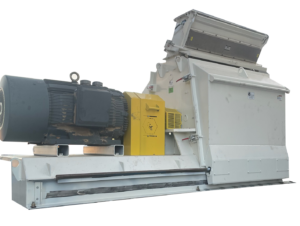
Hammer Mills for Biomass Grinding
Hammer mills are used to reduce wood waste and other biomass materials into smaller, uniform particles. CSE Bliss Full Circle Screen Hammer Mills are designed specifically for demanding biomass applications, delivering:
• High-capacity grinding
• Consistent particle size
• Efficient material reduction
• Rugged construction for abrasive materials
These mills are commonly used to process:
• Wood chips
• Bark
• Sawdust
• Agricultural residues
• Biomass feedstocks
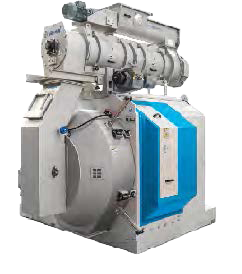
Pellet Mills for Biomass Fuel Production
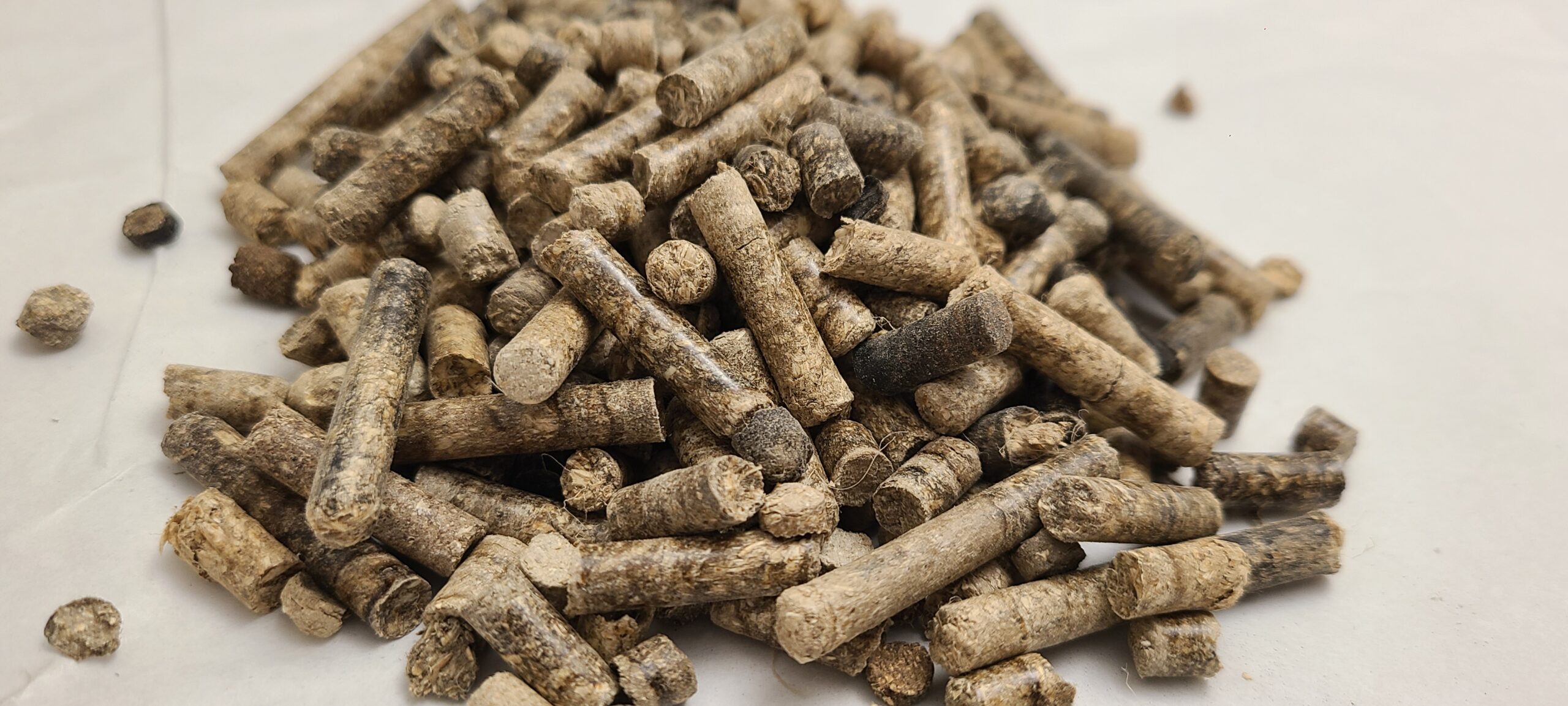
Pellet mills compress ground biomass into dense pellets used for heating, power generation, and export markets. Pellet production improves:
• Energy density
• Storage efficiency
• Transportation efficiency
• Fuel consistency
Integrated pelleting systems combine grinding, conditioning, pelleting, cooling, and material handling to produce high-quality biomass pellets.
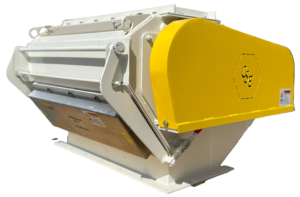
Feeders and Material Handling Equipment
Reliable material handling equipment ensures a consistent flow of biomass into grinding and pelleting systems. Proper feeding improves:
• mill efficiency
• throughput
• operational stability
F.A.Q.
Frequently Asked Questions
Frequently Asked Questions About Biomass Processing
What equipment is used in biomass processing?
Biomass processing systems typically include hammer mills for size reduction, pellet mills for densification, cooling systems, and material handling equipment such as feeders and conveyors. Hammer mills are used to grind biomass materials into a consistent particle size before they are pelletized or used in energy production.
What materials are commonly processed in biomass systems?
Biomass processing systems handle a wide range of organic materials, including wood chips, sawdust, bark, forestry residues, agricultural residues such as corn stover and straw, and other plant-based materials used for biomass fuel or bioenergy production.
Why is size reduction important in biomass processing?
Size reduction ensures that biomass materials have a consistent particle size before entering pellet mills or energy conversion systems. Proper grinding improves pellet durability, enhances combustion efficiency, and helps maintain steady throughput in downstream processing equipment.
What industries use biomass processing equipment?
Biomass processing equipment is used in industries such as biomass fuel production, wood waste recycling, bioenergy generation, and ethanol or biofuel production. Large-scale biomass processors rely on industrial grinding and pelleting systems to convert raw materials into usable energy feedstocks.